MonthsIndicative phased programme
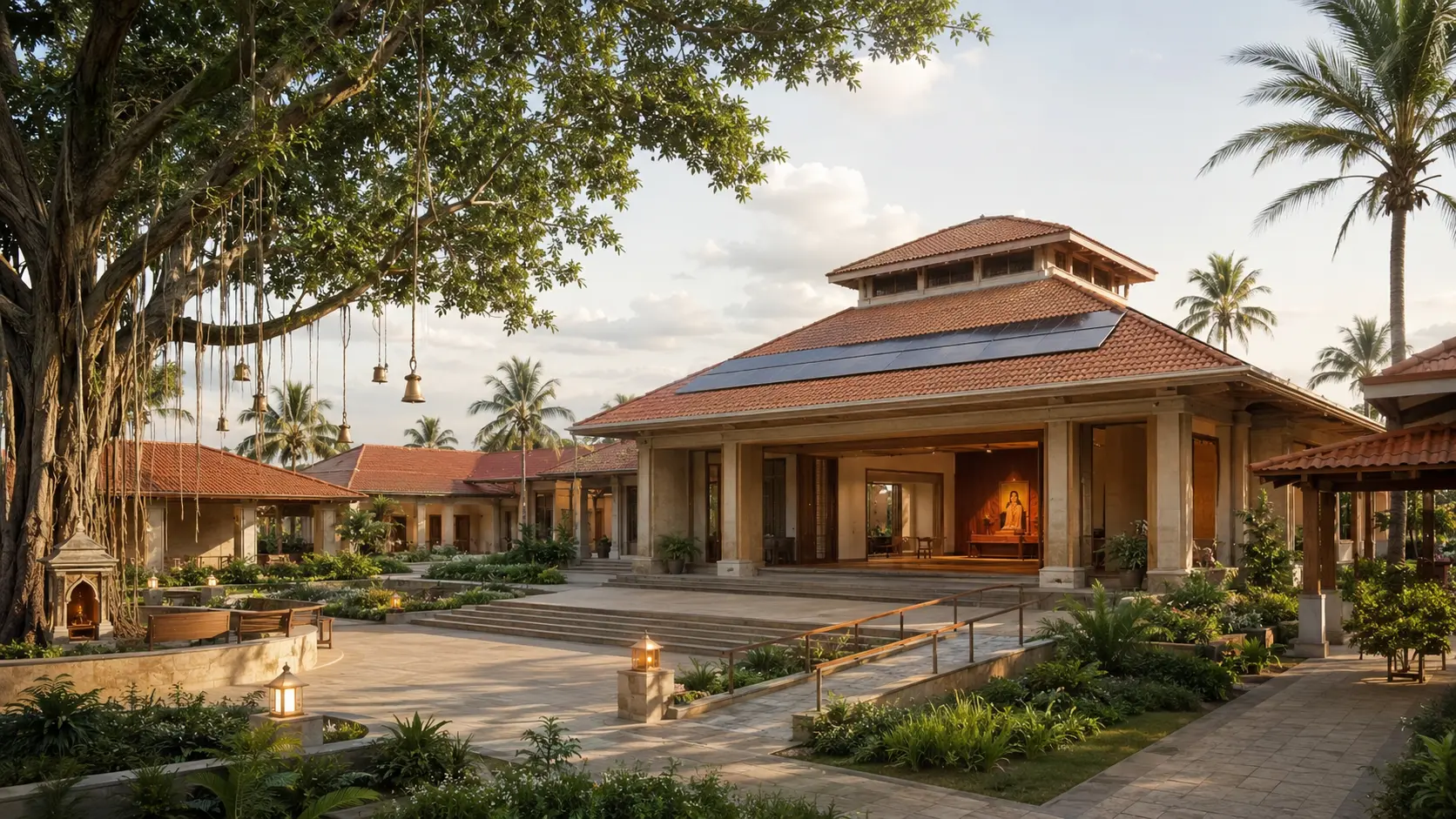
Concept project · August 2026
Building a sanctuary
for generations.
A concept proposal for land acquisition, phased development and long-term stewardship of a spiritual and community sanctuary in Mauritius.
Conceptual visual — final architecture will be developed with appointed professionals and relevant authorities.
MURIllustrative capital envelope
SitesRecommended initial shortlist
PillarsDevotion · Seva · Meditation · Community
01 · Project vision
A sanctuary rooted in devotion, service and simplicity.
The proposed Neem Karoli Baba Ashram Mauritius would be a peaceful, inclusive place for prayer, meditation, satsang, seva and community service—designed to endure for generations.
Devotion
A dedicated prayer hall and sacred spaces for worship, bhajan, chanting and quiet reflection.
Seva
A practical base for food service, volunteering, charitable initiatives and community support.
Meditation
Gardens and contemplative areas that encourage silence, remembrance and inner stillness.
Community
A welcoming environment for families, visitors, youth and inter-generational activities.
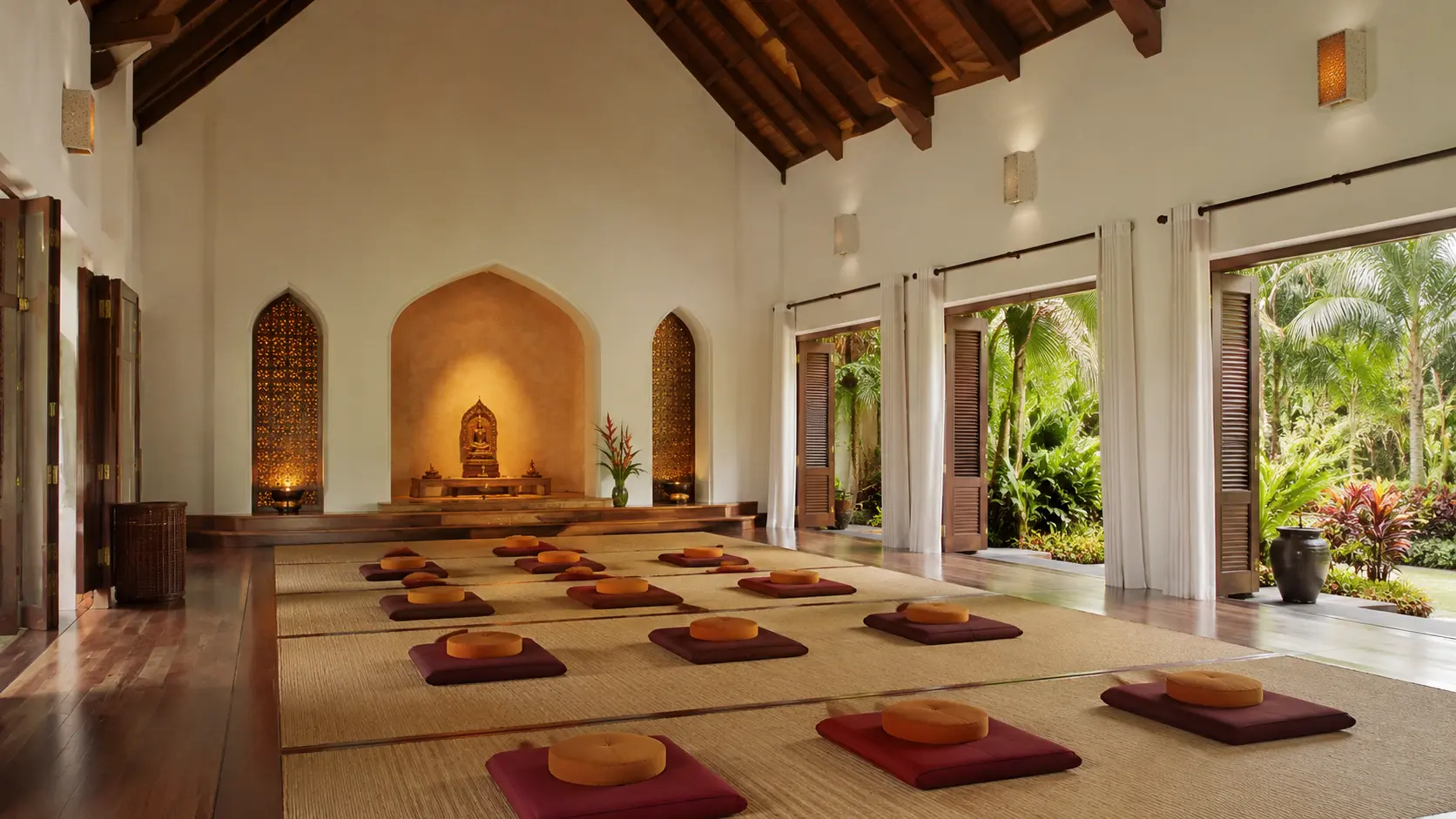 Conceptual prayer hall interior
02 · Campus concept
Open the sacred core first, then grow with the community.
A phased campus allows the project to begin with the core spiritual facilities, then expand as funding and community needs grow.
01
Core sacred spacesPrayer hall · altar · quiet meditation · ritual storage
02
Community facilitiesKitchen · dining/prasad · multi-purpose room · washrooms
03
Site infrastructureParking · accessibility · water · power · solar · drainage · landscaping
03 · Land strategy & approvals
Secure the right land before designing the building.
The decision should be driven by planning suitability, access and long-term operating practicality—not price alone.
Confirm legal entity
Define powers to acquire or lease land and receive funds.
Complete due diligence
Check title, zoning, access, utilities, drainage and neighbour context.
Seek early planning review
Use early engagement or Outline Planning Permission where appropriate.
Acquire or lease the site
Proceed only after legal, planning and funding checks.
Prepare BLP3 application
Address notices, publication and Ministerial approval requirements.
Build, inspect and occupy
Construct under approved plans and obtain required clearances.
Planning note: professional confirmation must be obtained for the selected land, ownership structure and local authority. A place-of-public-worship application may require Ministerial approval.
04 · Development plan
Build in phases—open the sacred core first.
A staged programme reduces funding pressure and allows community use while later facilities are completed.
Foundation
Entity · project brief · fundraising launch · professional team
Land
Search · due diligence · planning comfort · acquisition
Sacred core
Prayer hall · altar · washrooms · utilities · basic parking
Community
Kitchen · prasad/dining · multi-purpose room · landscaping
Growth
Guest/volunteer rooms · solar · gardens · reserve
Stage-gate principleProceed only when funding, approvals and technical readiness are sufficient. This protects the project from over-commitment and unfinished works.
05 · Preliminary budget
Illustrative capital plan:
MUR 50 million.
This is a planning envelope only. Land price, design, soil conditions, utilities, finishes and contractor quotations will materially affect the final cost.
15mLand Fund
25mBuild Fund
10mCompletion
Land purchase & acquisitionMUR 12.0m
Legal, survey, design & approvalsMUR 1.5m
Prayer hall & core servicesMUR 15.0m
Kitchen, community room & ablutionsMUR 6.0m
Guest / volunteer roomsMUR 5.0m
Parking, landscape, solar & site worksMUR 4.0m
Fit-out, furnishings & sacred areasMUR 2.0m
Contingency & opening reserveMUR 4.5m
06 · Fundraising strategy
Fund the project in transparent, achievable stages.
Give donors a clear purpose, measurable milestones and confidence that funds are ring-fenced and properly governed.
Founding patrons
Major commitments to secure land and underwrite early design, surveys and planning work.
Community campaign
One-time and monthly seva contributions from Mauritius and the wider diaspora.
In-kind support
Professional services, construction materials, landscaping, equipment and volunteer labour.
Donor tax treatment, charitable status and corporate CSR eligibility should be confirmed separately with Mauritian legal and tax advisers before representations are made to donors.
07 · Stewardship & controls
Governance must be as strong as the vision.
Every rupee should be traceable, every major decision documented, and sacred and community assets protected.
Board / Trustees
Mission, land ownership, budgets, policies and long-term stewardship.
Project Steering Committee
Weekly delivery oversight, approvals, programme and risk management.
Finance & Audit
Dedicated bank account, two-signatory controls, monthly reporting and annual review.
Technical Committee
Architect, engineer, QS and contractor governance; certify works before payment.
Procurement
Competitive quotations, conflict declarations and documented award rationale.
Donor Reporting
Restricted-fund tracking, milestone updates and transparent use-of-funds statements.
08 · Community impact
A spiritual centre with a practical community purpose.
The ashram can create value beyond worship by embedding seva, inclusion and responsible engagement into its regular activities.
Daily spiritual practice
Prayer, meditation, chanting and quiet reflection.
Weekly satsang
Bhajan, teachings, collective reflection and family participation.
Food seva
Prasad and community meals, scaled responsibly to available resources.
Volunteer programmes
Youth, families and professionals contributing time and skills.
Wellbeing & reflection
Non-commercial spaces for meditation, contemplation and spiritual study.
Community service
Partnerships for charitable, environmental and social-support initiatives.
09 · Project risk register
Address the major risks before committing to land.
The biggest risks are manageable when handled early, professionally and transparently.
RiskMitigationLevel
Planning / worship approval
Obtain zoning advice and early planning comfort; do not rely on informal assumptions.
HighUnsuitable land / hidden constraints
Complete independent title, survey, drainage, access and services due diligence before purchase.
HighFunding shortfall
Use stage-gates, separate funds and award works only when financing is credible.
HighCost escalation
Use a QS estimate, competitive tendering, contingency and strict change-control.
MediumNeighbour objections / traffic
Plan early engagement, adequate parking, access design and responsible operating hours.
MediumGovernance / reputation
Adopt a conflict policy, documented approvals, transparent reporting and independent oversight.
HighOperating sustainability
Build a reserve and a realistic annual budget for utilities, staff, repairs and programmes.
Medium10 · First 90 days
Move from vision
to a bankable project.
Acquire land only when title, planning viability, funding and access are all confirmed.
- Appoint a 5–7 person founding steering committee
- Confirm or register the legal vehicle and banking controls
- Approve the site brief, land budget and due-diligence checklist
- Engage property, legal, planning, architect and QS advisers
- Shortlist at least three candidate sites and test planning suitability
- Launch the Land Fund only after governance and reporting are ready
Reference points
Mauritius regulatory references
- Government of Mauritius — Building and Land Use Permit Guide
- Ministry of Labour — Registry of Associations
- Ministry of Housing & Lands — Social/Cultural/Religious Lease Guidelines
- Non-Citizens (Property Restriction) Act, where applicable
Connect with the project
Help turn this vision
into a sacred home.
Phone+230 5788 0379Emailinfo@babaneemkaroliashrammauritius.com
Address32 Avenue Doyen, Quatre Bornes, Mauritius